Removes hardened deposits that brushing cannot remove
Teeth Cleaning
Personalised Dental Care
Understanding Your Treatment
Professional cleaning removes plaque, calculus and surface stains that daily brushing may not reach, while supporting healthier gums and fresher breath.
Carefully plannedComfort focusedClearly explained
Treatment Benefits
Why Patients Consider This Care
Supports healthier gums and fresher breath
Provides personalised guidance for difficult-to-clean areas
Your Treatment Journey
What to Expect, Step by Step
- 01
Gum and deposit assessment
- 02
Careful professional scaling
- 03
Polishing and personalised hygiene guidance
During Your Appointment
Careful, Comfort-Focused Treatment
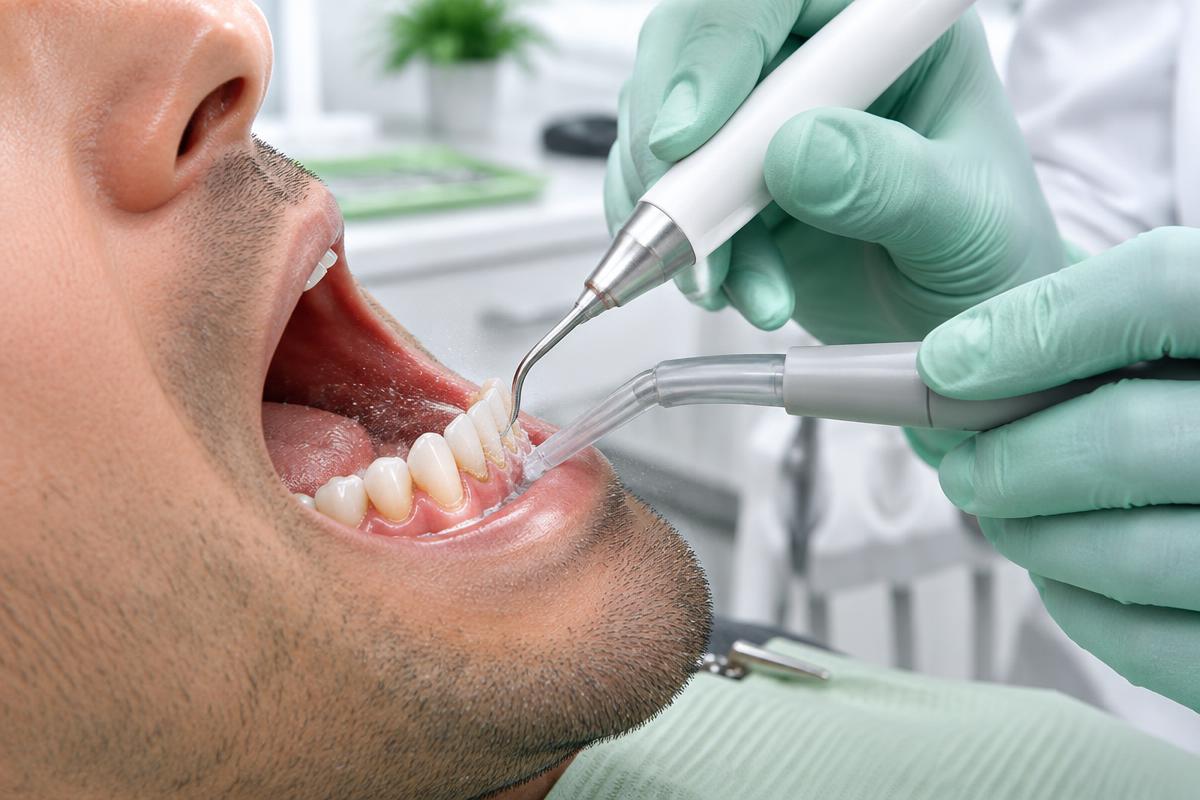
The gums and deposits are assessed before scaling instruments are used to clean around the teeth and gumline. Polishing is added where appropriate.
Practical Guidance
Recovery, Aftercare & Maintenance
Recovery & Comfort
Gums may feel mildly tender and teeth may be temporarily sensitive, particularly after heavier buildup is removed. This commonly improves within a short time.
Aftercare Essentials
- Follow the recommended brushing and flossing routine
- Temporary sensitivity usually settles quickly
Long-Term Maintenance
The most suitable cleaning interval depends on gum health, deposit buildup, home care and individual risk rather than one schedule for everyone.
Balanced Decision-Making
Advantages & Considerations
A good decision includes both the potential benefits and the practical limitations. Your examination helps determine how these points apply to your teeth.
- Removes hardened deposits that brushing cannot remove
- Supports healthier gums and fresher breath
- Provides personalised guidance for difficult-to-clean areas
- The plan can be adapted to your dental condition, priorities and comfort.
- Review appointments provide an opportunity to monitor healing and function.
- Results and longevity vary; no treatment can be guaranteed for a fixed period.
- Temporary sensitivity, tenderness or an adjustment period may occur.
- Repair, replacement or maintenance may be needed in the future.
- Not every patient or tooth is suitable without preliminary care.
- Daily hygiene and regular professional reviews remain essential.
Fees & Planning
What Determines the Treatment Cost?
An accurate fee can only be provided after an examination. Cost depends on the condition of the tooth or gums, the extent of treatment, selected materials, laboratory requirements and the number of appointments.
Request an AssessmentClinical Complexity
The amount of damage, existing dental work and bite considerations influence the treatment plan.
Materials & Technique
Material choice and the level of detailed clinical or laboratory work affect the final fee.
Number of Visits
Simple care may need one visit, while staged or multi-tooth treatment may require several.
Supporting Care
Cleaning, gum care, imaging or preliminary treatment may be advised before the main procedure.
Transparent planning: available options, expected stages and fees are discussed before treatment begins. A consultation does not commit you to proceed.
Frequently Asked Questions
Helpful Things to Know
How do I know if teeth cleaning is right for me?
A clinical examination is needed before a recommendation can be made. Your dental health, goals, bite and available alternatives will all be considered.
How much does this treatment cost?
The fee depends on complexity, materials, number of teeth and appointments required. After assessment, the recommended stages and estimated costs can be explained before you decide.
Will the treatment feel uncomfortable?
Comfort is planned throughout your visit. The exact experience depends on the procedure and your dental condition, and suitable comfort options will be discussed beforehand.
How many appointments will I need?
The number of visits varies according to the starting condition and treatment plan. Some procedures can be completed in one visit, while complex care is usually divided into carefully reviewed stages.
How long will the result last?
No dental treatment has one fixed lifespan. Daily care, bite forces, diet, habits, material choice and regular professional reviews all influence long-term performance.
Are there any risks or disadvantages?
Every procedure has limitations. These may include temporary sensitivity, an adjustment period, future maintenance or the possibility that another option becomes more appropriate after examination.
Can I return to normal activities afterwards?
Many patients can continue their usual routine, but this depends on the procedure. You will receive specific advice about eating, cleaning, sensitivity and anything to avoid.
What should I do if something does not feel right?
Contact the clinic if you experience persistent pain, swelling, a change in your bite or any concern that does not settle as expected. Early review can help identify the cause.
This information is general guidance and does not replace an individual dental examination or diagnosis.
Every plan starts with an assessment
Treatment suitability, timing and expected outcomes are discussed after examining your individual dental needs.